Waste Types

Transform Textile Waste Into Sustainable Value

Satisfied Business Partners
0
Garments Industries Served
0 +
Textile Waste Collected
0 k

Think sustainably, think economically, think recycling

Explore essential
waste services

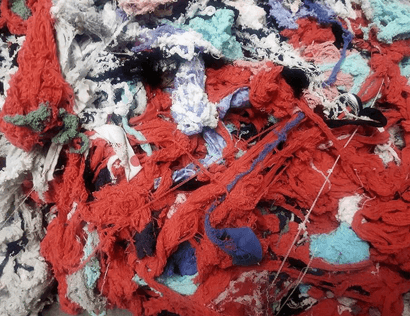
We collect non-hazardous textile waste from garments factories, textile mills, and production units with a reliable and efficient process.

We recycle fabric scraps, cutting waste, and leftover materials into reusable resources for sustainable production.

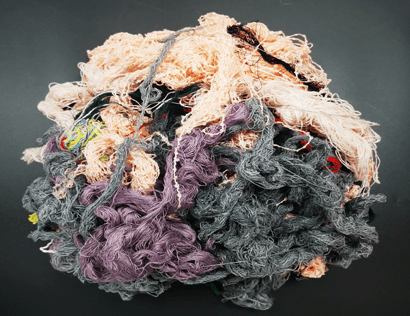
We handle yarn waste collection, sorting, and recycling to reduce waste and improve resource recovery.

We process jute cutting, sewing waste, and reusable jute materials for eco-friendly reuse and recycling.

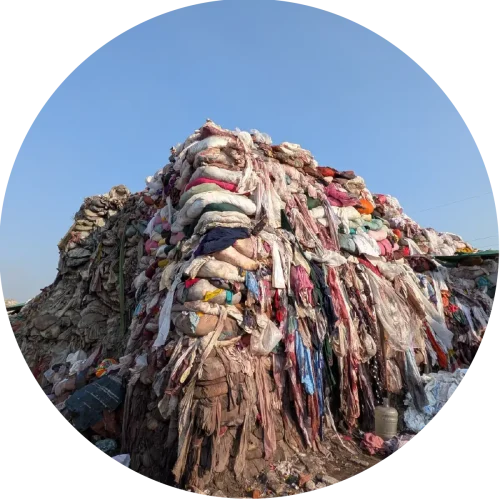
We provide complete waste management solutions for garment factories to reduce landfill waste and improve sustainability.

We turn discarded textile materials into valuable resources that support circular economy and responsible business operations.

What We Do?

We collect, process, and recycle non-hazardous textile waste from garments factories, textile mills, buying houses, and production units.

Our solutions cover fabric waste, cutting scraps, jute waste, yarn waste, sewing leftovers, and other reusable textile materials. We turn discarded materials into valuable resources through responsible recovery, reuse, and sustainable recycling.

Retex Solutions helps businesses reduce waste, lower environmental impact, and build a stronger circular supply chain.
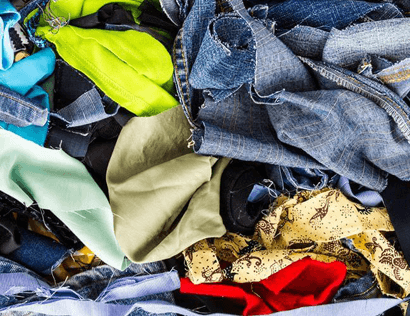
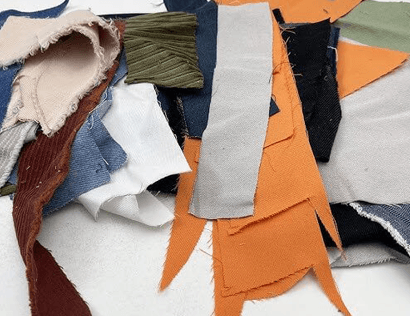
image-234573-1.webp

About Us

Transform Textile Waste Into Valuable Resources

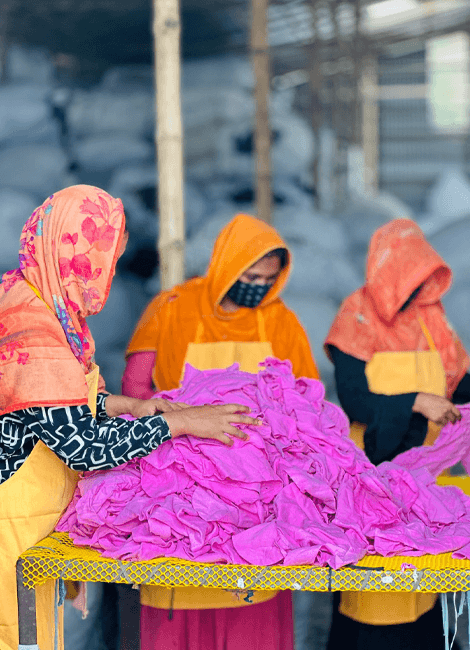
Retex Solutions manages non-hazardous textile waste with a structured process. We collect, sort, process, and recycle fabric waste, cut pieces, yarn waste, and jute by-products. This reduces landfill waste and improves resource efficiency.

We work with fabric waste, cut pieces, jute cutting and sewing waste, and yarn waste. Our goal is simple. Reduce waste. Recover value. Support sustainable production.

We build efficient supply chains that connect waste sources with reuse and recycling channels. This ensures materials stay in use instead of ending up in landfills.

Turn textile waste into reusable resources through efficient collection, processing, and recycling.

Build a future where the textile industry operates with zero waste and full resource recovery.

About

Use this section to share your story, your experience, or the skills you possess. This is an opportunity to create a connection with the visitor and give them the confidence that you have the ability to provide the service they need.

ABU SAYED NAYEEM

Typically replies within a day